The horizon.
The hue.
In the 18th century London operated one of the largest maritime trading fleets the world had ever seen. Those ships left from the Thames and returned to the Thames — and what they brought back changed the colour of everything. Indigo from Bengal. Turmeric and saffron from Gujarat. Madder root from Persia. Cochineal from the Americas.
These were not decorative imports. They were the raw materials of colour — the pigments that dyers, painters, weavers, and decorators had built their traditions around for centuries. They arrived in London by the shipload, moved along the canal network into the city's warehouses, and settled into the communities that followed.
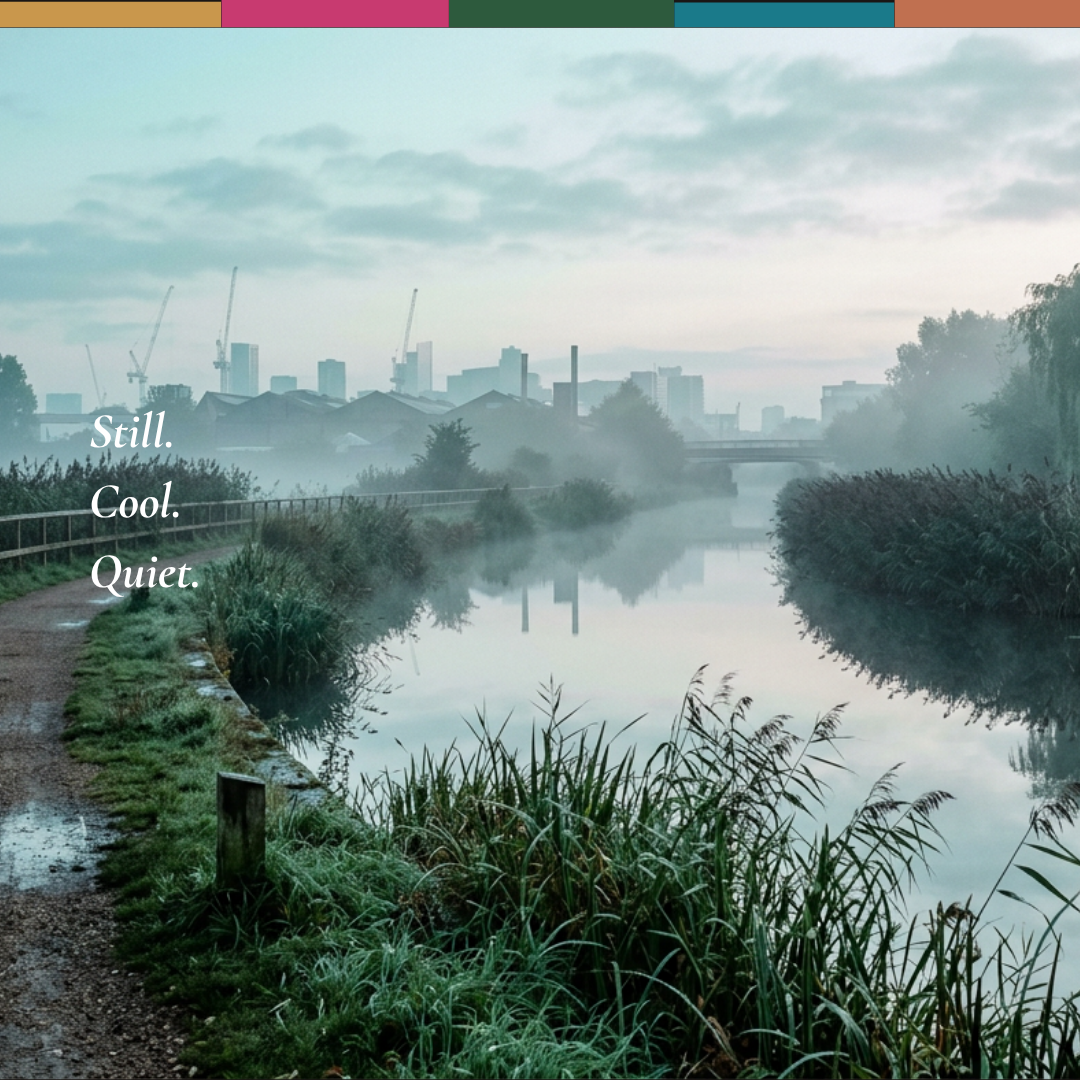
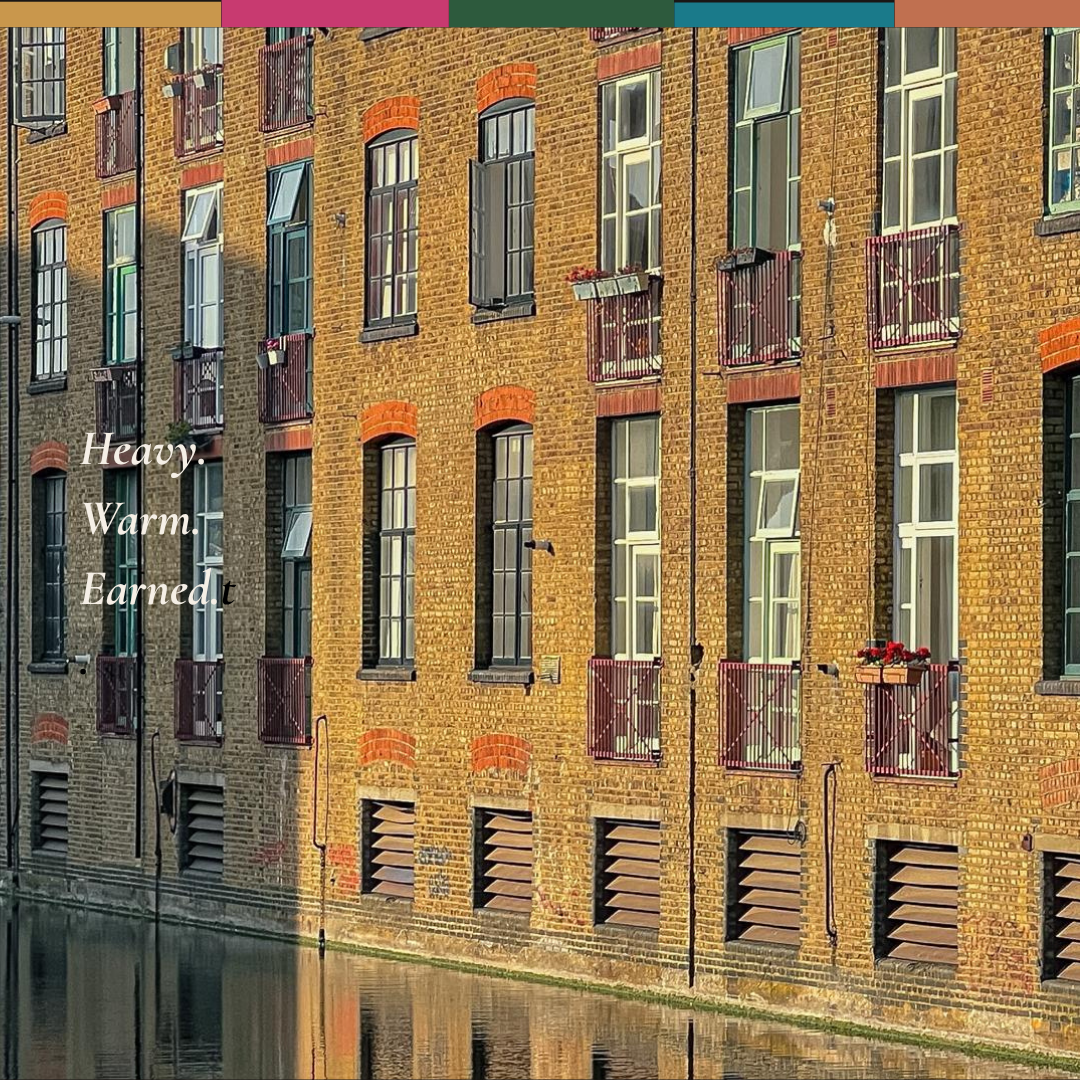
The canals that carried those goods still run through Hackney Wick, Limehouse, and Bow. The warehouse brick that lined their banks is still standing, its iron oxide red unchanged since the 18th century. Red-Earth Thread is not a design choice in these streets. It is the original building material. It arrived on a ship.
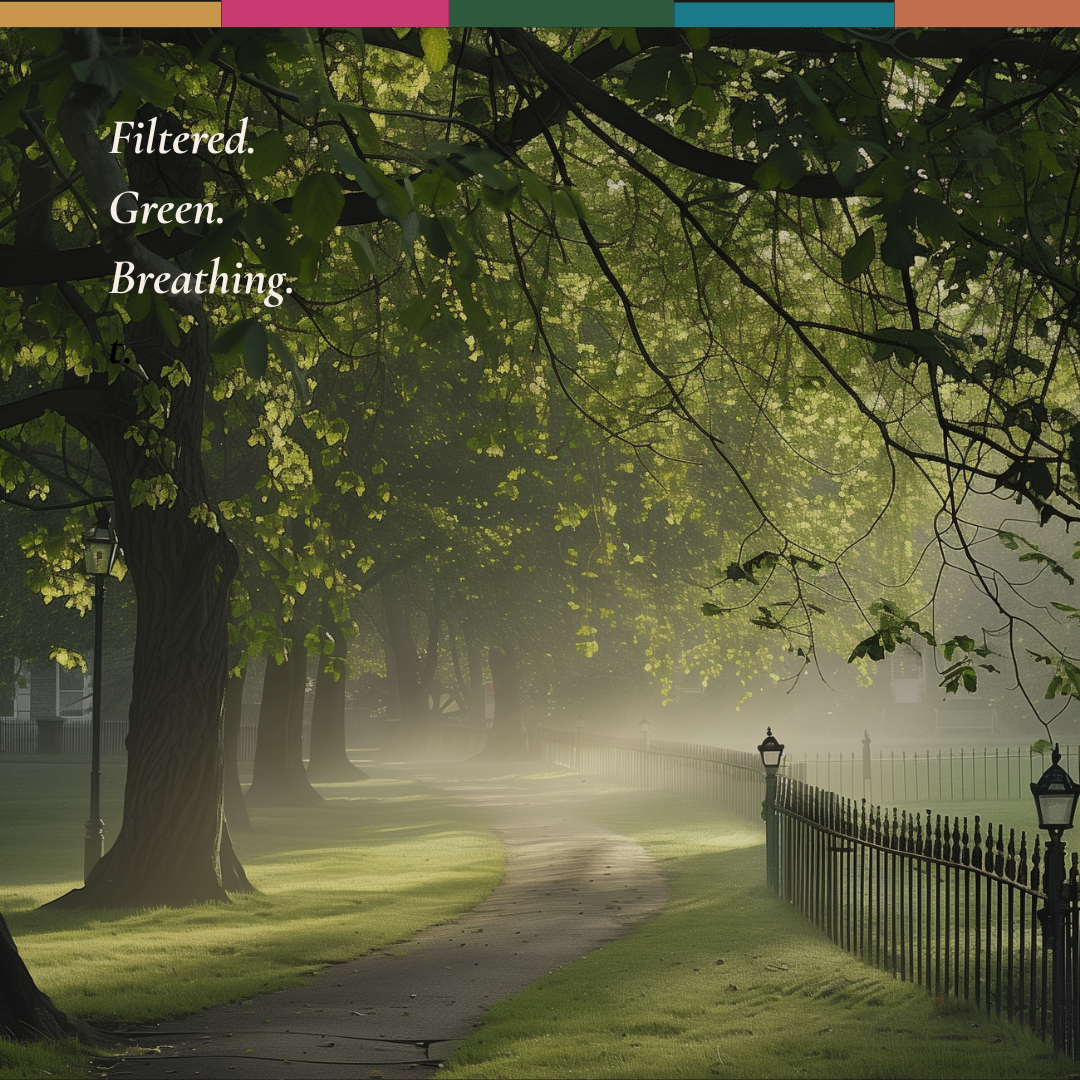
William Morris was born in Walthamstow in 1834. He sourced his indigo from the Indian subcontinent and drew his patterns from Persian carpet traditions and the Chahar Bagh — the ancient four-part garden of Persia, divided by four water channels flowing from a central pavilion. That geometry became the Victorian parks these homes face today.
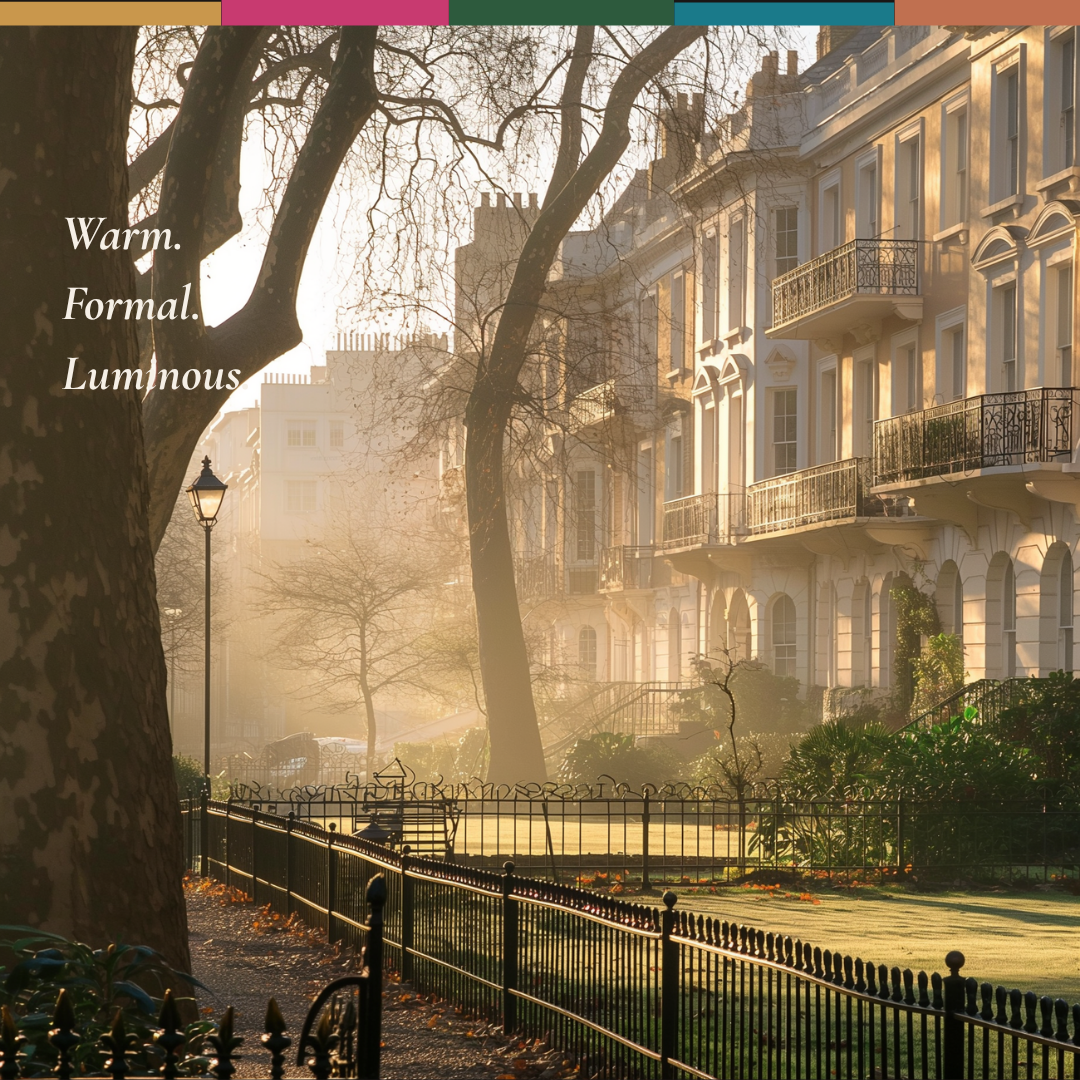
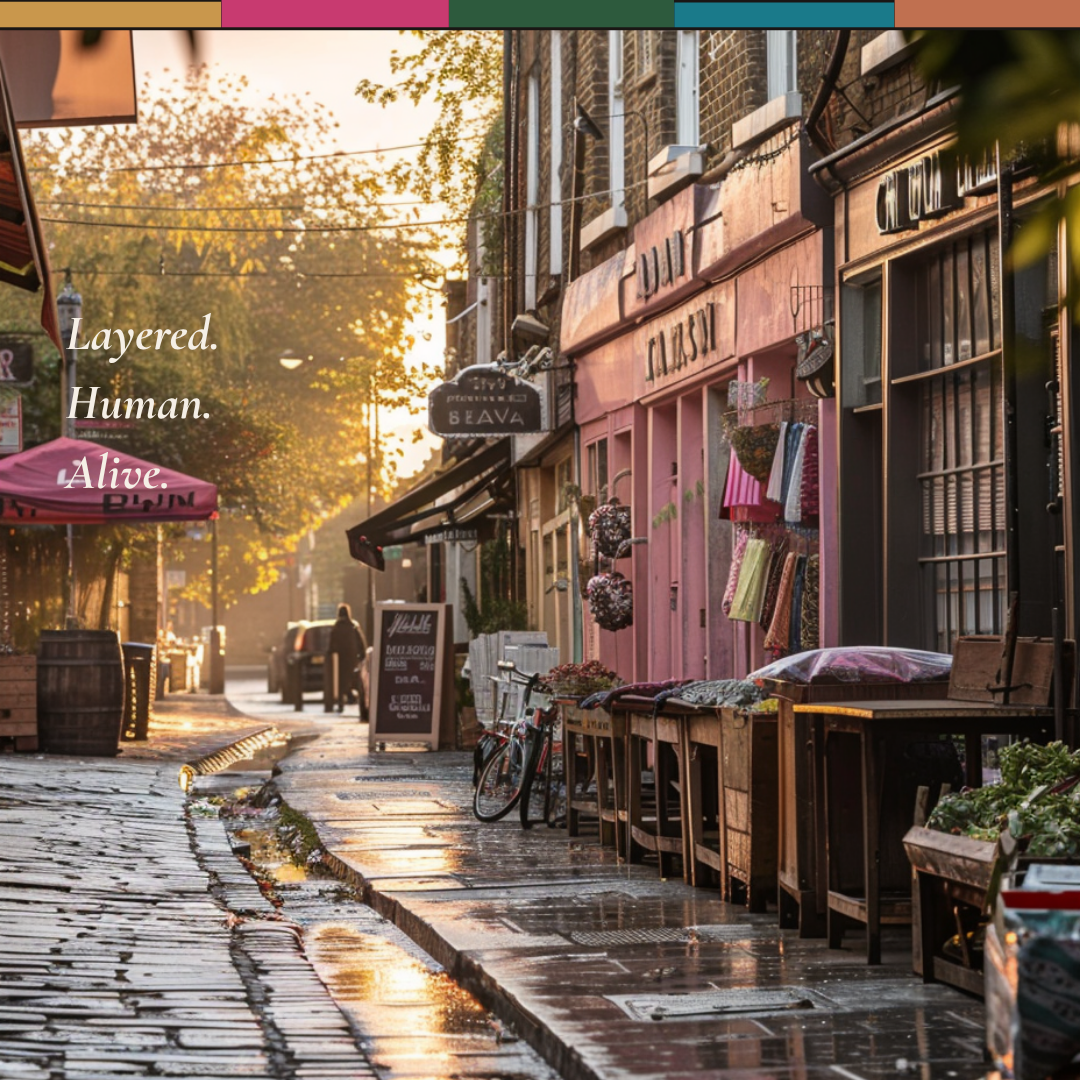
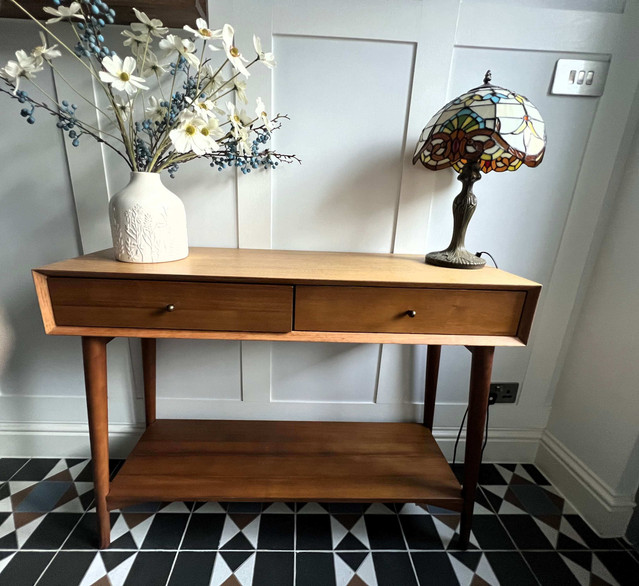
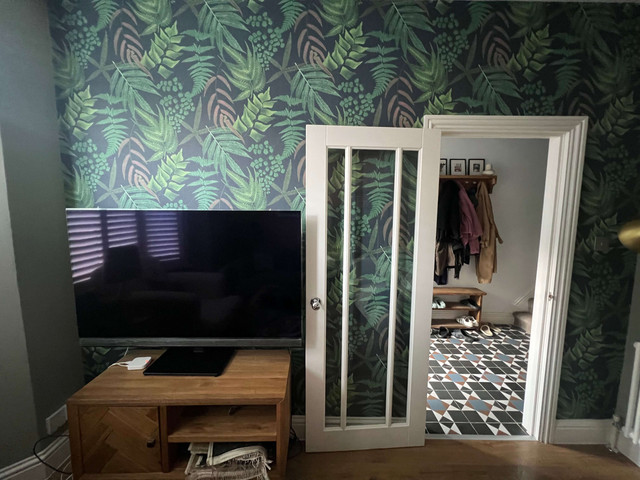
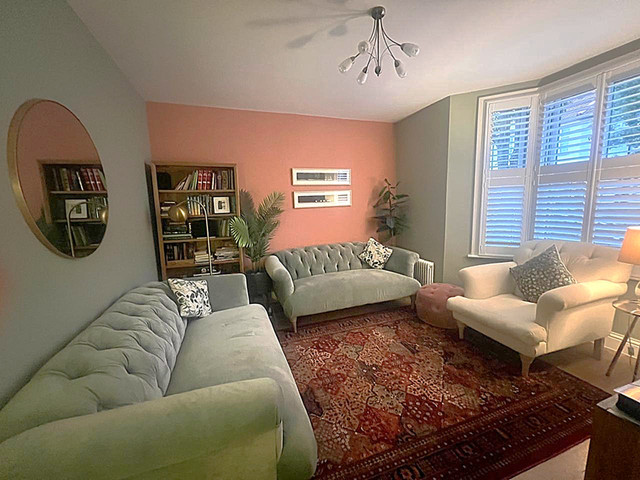
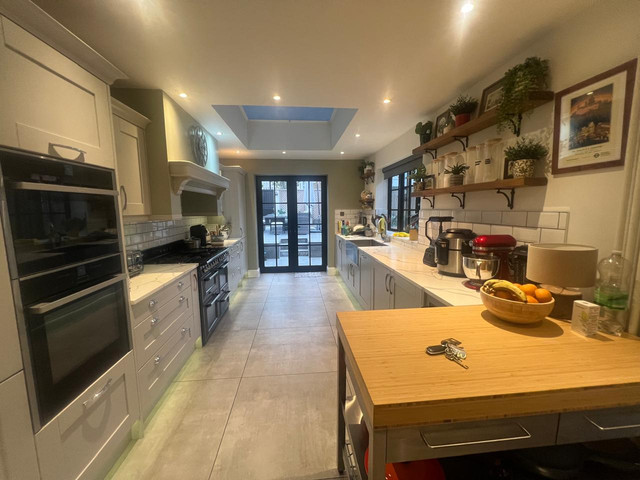
The streets of London are the accumulated result of all of this. The colour is already there. It exists on the streets, in the parks, along the canals, in the brickwork of the old industrial buildings. Horizon & Hue reads it — through the view outside the window, or the vibe of the place the room belongs to — and brings it inside.
This is not cultural appropriation. It is cultural continuity. The colours were always here. The rooms just hadn't caught up yet.